December 17, 2025
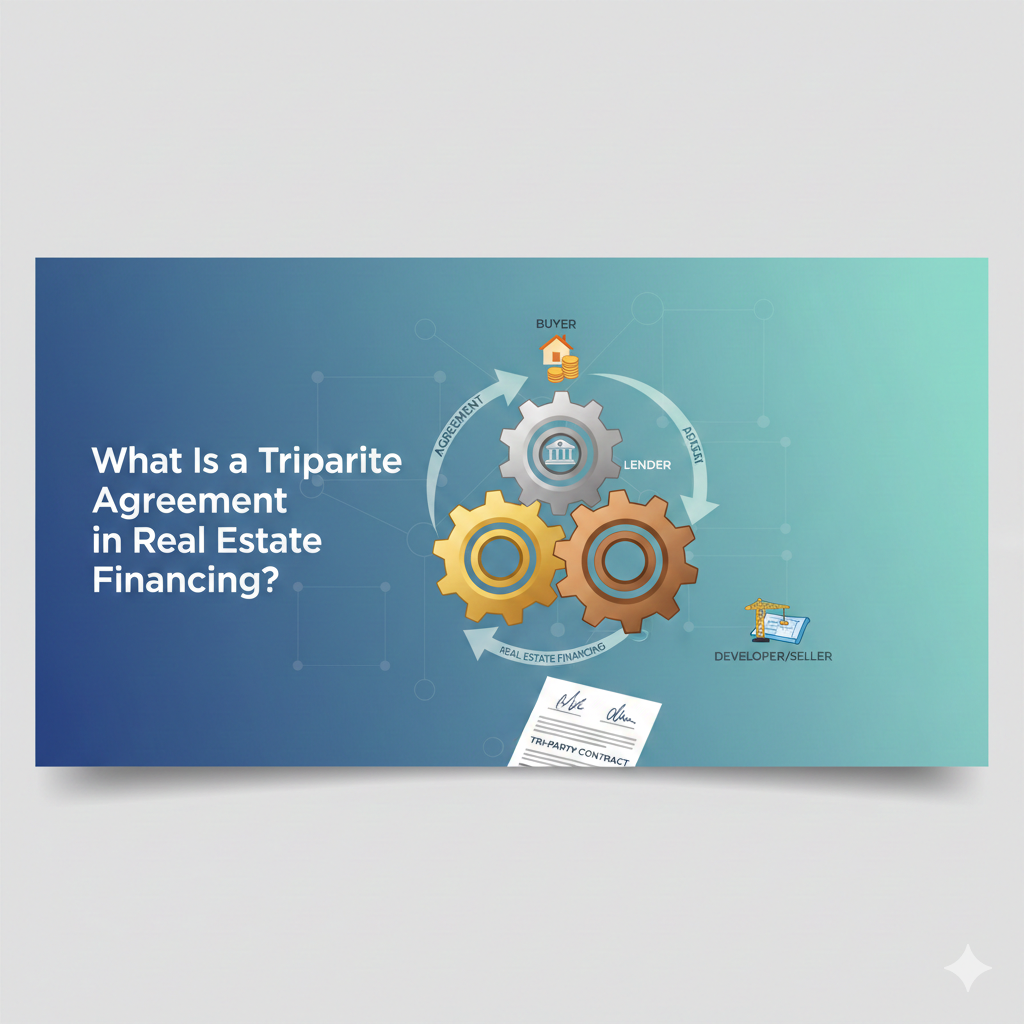
What Is a Tripartite Agreement in Real Estate Financing?
A tripartite agreement is a three-party contract commonly used in real estate finance to align the rights and obligations of the borrower (developer/homebuyer), the lender (bank/financial institution), and a third party—often the seller, builder, escrow agent, or landowner. It creates a legal framework so that money, title, construction milestones, and risk are coordinated among everyone involved in the deal.
December 15, 2025
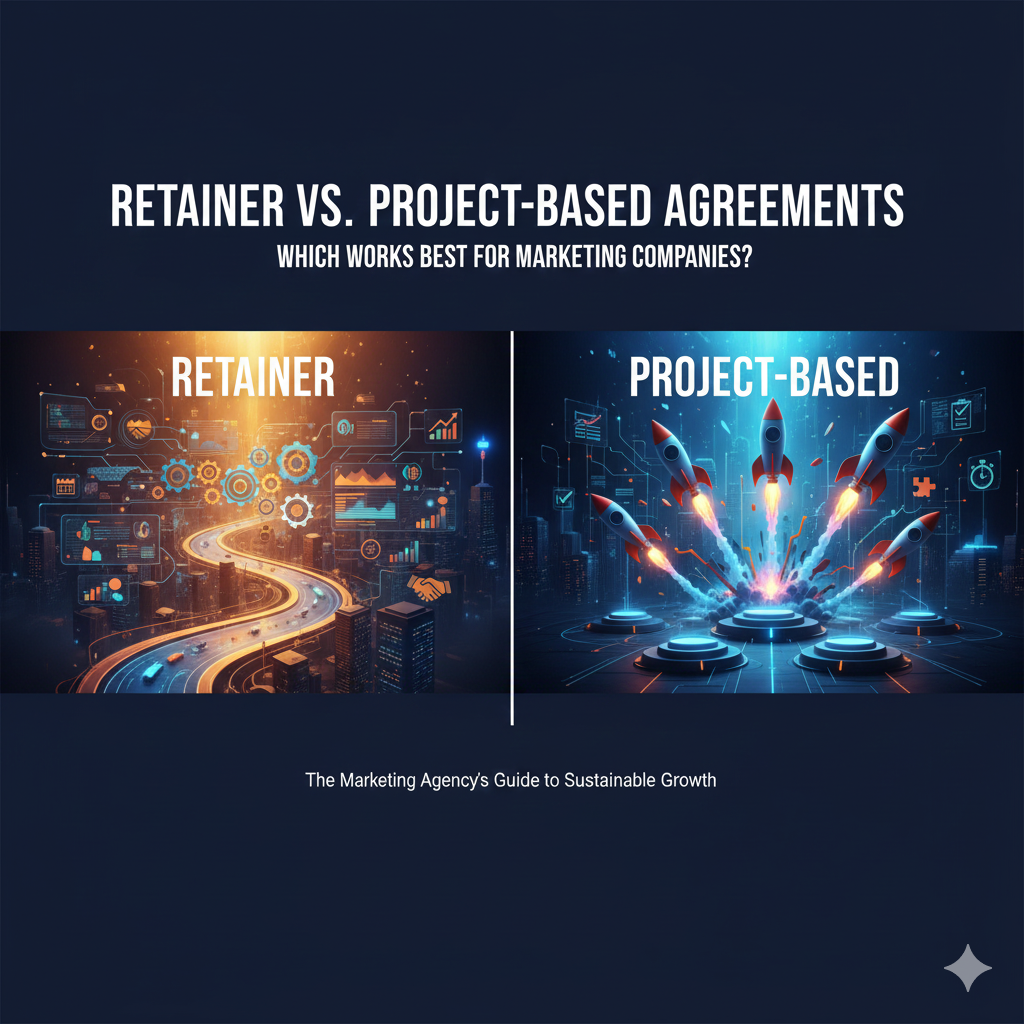
Retainer vs. Project-Based Agreements: Which Works Best for Marketing Companies?
Marketing companies today operate in a fast-moving, results-driven environment where how you contract is just as important as what you deliver. Choosing between a retainer agreement and a project-based agreement can significantly impact revenue predictability, client relationships, team utilization, and legal risk.
December 11, 2025
Blockchain Development Agreements: Key Clauses & IP Challenges (A Complete Guide)
Blockchain technology has quickly evolved beyond cryptocurrencies. Today, industries such as fintech, healthcare, logistics, real estate, gaming, and digital identity systems rely on blockchain for enhanced transparency, automation, and security.
However, the decentralised nature of blockchain introduces complex legal and intellectual property challenges. This makes the Blockchain Development Agreement an essential document when engaging developers or blockchain service providers.

December 01, 2025
Website Content Development Agreement: A Complete Guide for Businesses
In today’s digital-first world, your website is often the first impression your audience has of your business. And while design and user experience matter, the true differentiator is the content — the messaging, storytelling, and clarity that convert visitors into customers.
November 18, 2025
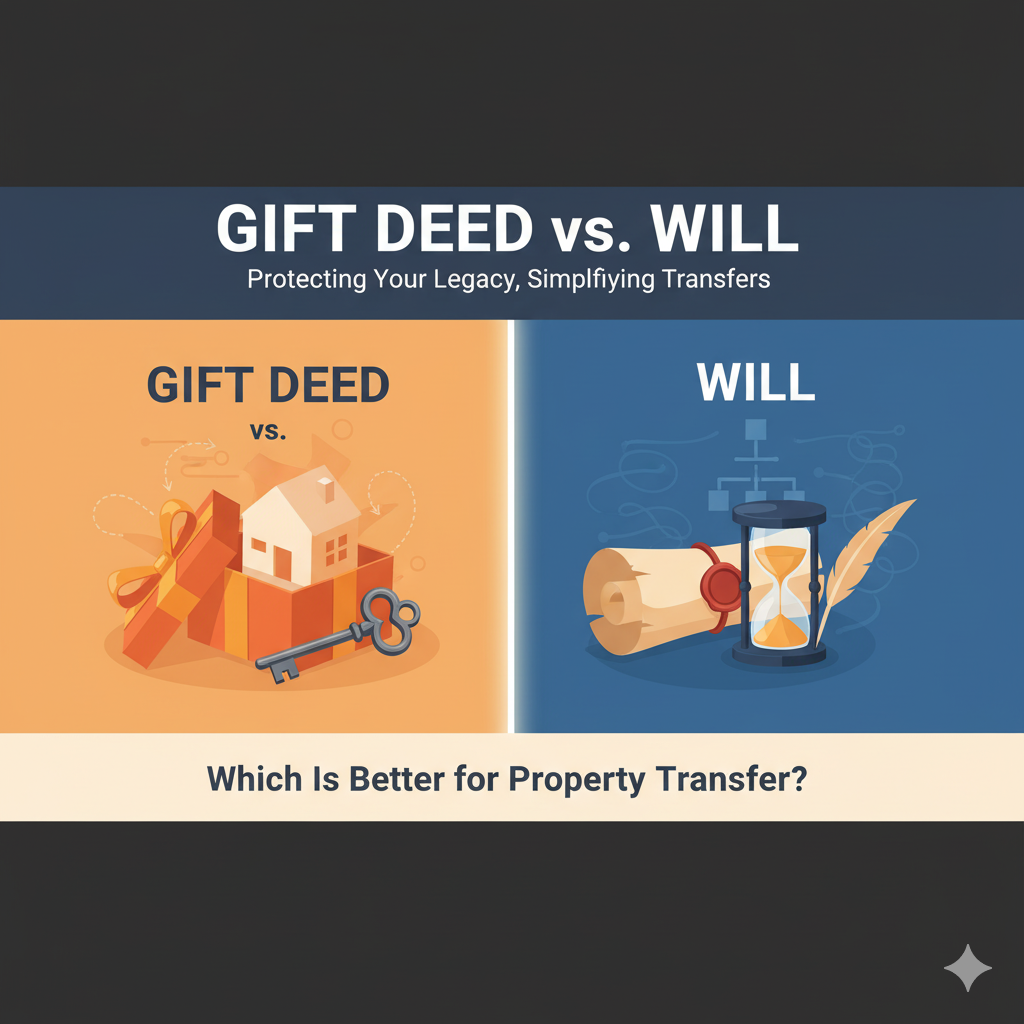
Gift Deed vs. Will: Which Is Better for Property Transfer?
Deciding how to pass property to a loved one is one of the most important — and sometimes emotional — financial decisions you’ll make. Two common tools are gift deeds (an inter vivos transfer) and wills (testamentary dispositions). Both are legally valid ways to transfer property, but they work very differently, and which is “better” depends on your goals: speed, control, tax consequences, risk of dispute, and the relationship between donor/testator and beneficiaries.

November 17, 2025
Website Content Development Agreement: A Complete Guide for Businesses
In the digital world, your website is often the first place customers interact with your brand. High-quality content—blogs, landing pages, product descriptions, case studies—can influence buying decisions, build credibility, and improve search engine rankings.
November 15, 2025
The Role of Non-Competes and Non-Solicits in Protecting Marketing Businesses
Marketing businesses—agencies, consultancies, in-house teams, and freelance marketers—live and die by relationships, creativity, and confidential know-how. When employees, contractors, or partners jump ship, they can — intentionally or not — take clients, talent, playbooks, and business momentum with them. Non-compete and non-solicit clauses are two of the most commonly used contractual tools to reduce that risk. This post explains what they do, how they differ, when they help (and when they don’t), drafting tips tuned to marketing businesses, practical alternatives, and a short checklist you can use when drafting or reviewing agreements.

November 12, 2025
Open Source Software Risks and Responsibilities in Commercial Contracts
Open source software (OSS) powers huge parts of modern software stacks — from operating systems and web servers to libraries and build tools. Its use brings speed, innovation, and cost-savings, but it also introduces legal, security, and operational risks that commercial contracts must address. This blog explains those risks, what businesses and lawyers should do about them, and offers practical contract language and a checklist to help protect your organization.
November 07, 2025
AI in Contract Drafting: Efficiency vs. Risk
AI is transforming contract drafting — drafting faster, standardizing language, surfacing issues, and lowering cost. But it introduces new risks: hallucinations, sloppy customization, data leaks, regulatory and ethical concerns, and unclear liability. The smart approach is human + AI: use AI for repeatable drafting and review, keep humans for legal judgment, enforce strong data governance, audit models and outputs, and create workflows that make AI’s work transparent and verifiable.

November 06, 2025
Why Clear IP Clauses Are Critical in Creative Service Contracts
Creative work — logos, websites, marketing campaigns, product designs, copy, photography, video, software UI — is valuable because it’s original, expressive, and often central to a brand’s identity. But after the client pays and the work is delivered, confusion about who may use, modify, or sell that work is one of the most common causes of disputes between creators and clients.